
A life dedicated to marginalised communities
For more than two decades, Dr Khuất Thị Hải Oanh has stood beside those pushed to the margins, building care, trust and a sense of belonging where it is often missing.
Story by Thu Vân

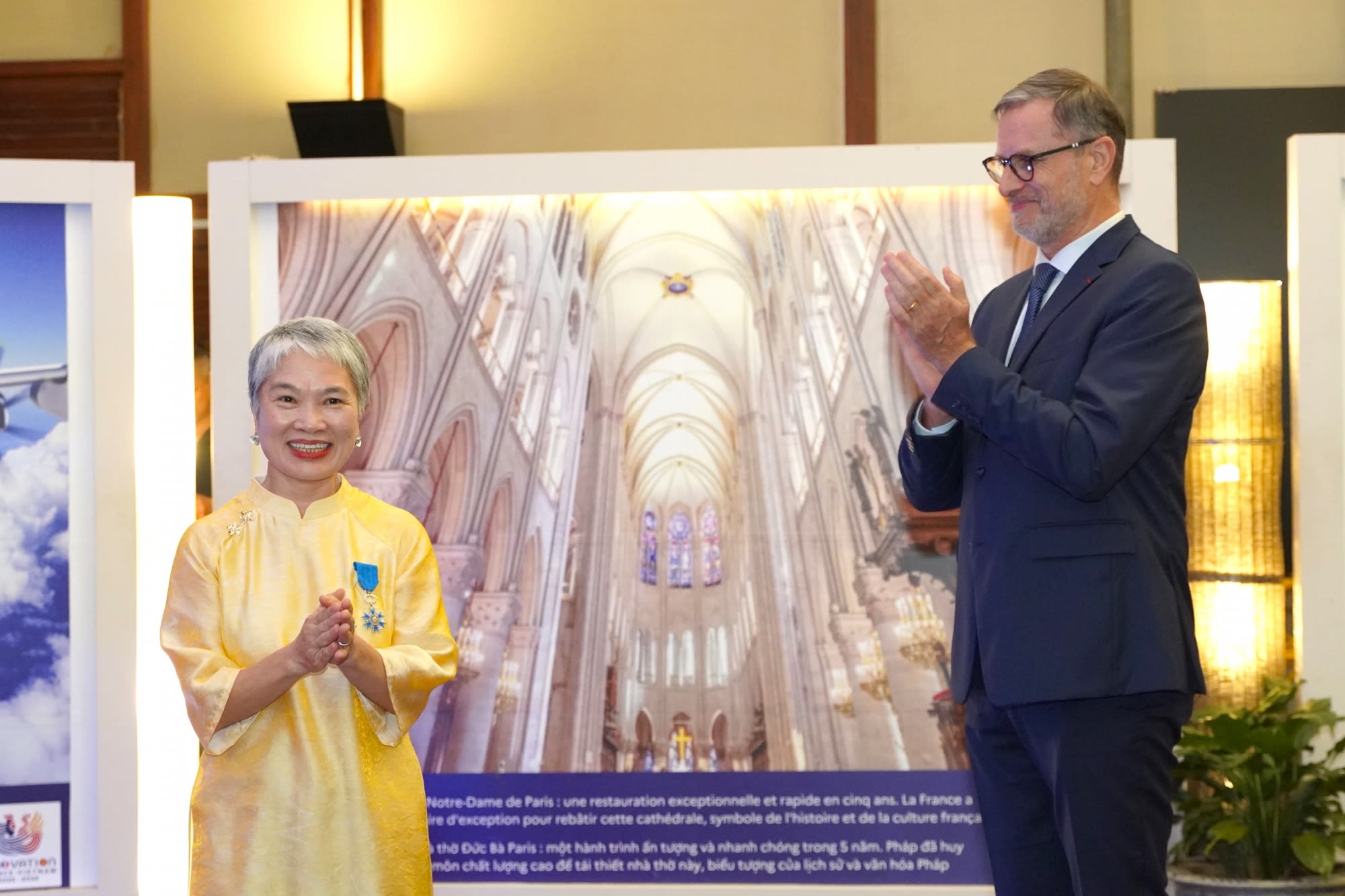
In March 2026, within the formal elegance of the French Embassy in Hà Nội, a quiet arc of history closed in reconciliation.
Ambassador Olivier Brochet pinned the National Order of Merit, Knight rank (Chevalier de l’Ordre national du Mérite), onto Dr Khuất Thị Hải Oanh, an honour established in 1963 to recognise those whose careers and dedication serve the collective interest with distinction.
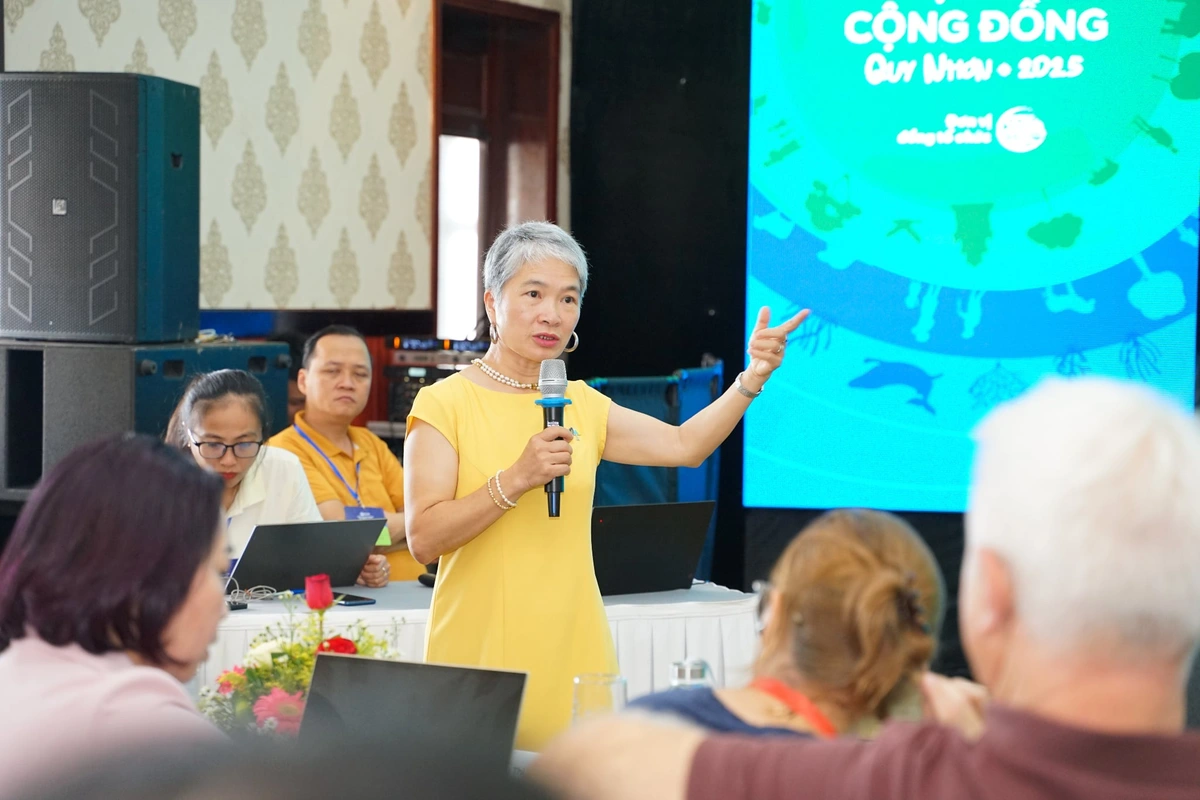
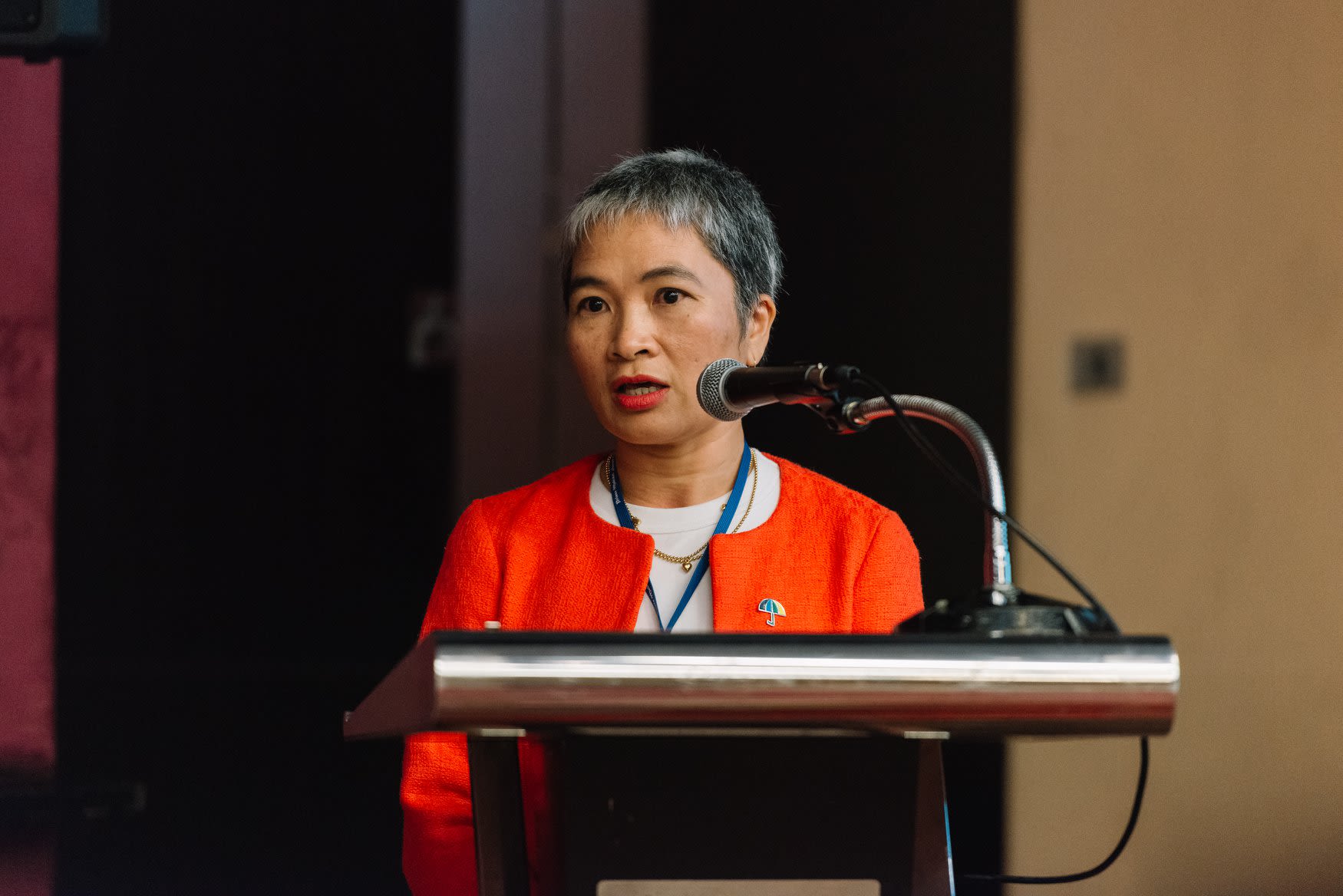
Standing there, Dr Oanh, founder and Executive Director of the Centre for Supporting Community Development Initiatives (SCDI), spoke little about figures or SCDI’s notable achievements, an organisation she has guided for 16 years.
Instead, she spoke of her father, a soldier once imprisoned and tortured during the colonial period, who later taught her about the beauty of French literature and a boundless sense of humanity. He has remained present in nearly every important decision she has made, a quiet but unwavering moral compass.
She also spoke of the companions who have walked alongside her throughout her years of service to the community, people she holds in deep regard for their persistence in shaping a more humane approach to public health challenges in Việt Nam.
Her story reflects the way she has practised public health for more than two decades: a steady journey shaped by compassion, tireless advocacy and a commitment to those whose voices are rarely heard.

From pain to personal responsibility


Dr Oanh’s journey into public health did not begin with statistics, but with real faces and lived stories.
The most painful memory, one that shaped her path, dates back to 2005.
That year, while supporting a group of people living with HIV, she received a scholarship for a three-month course abroad. During that time, she learned that two members of the group had taken their own lives, both young men who had just graduated from university.
“HIV was not the reason they died. It was stigma and isolation that pushed them to the edge,” she said.
“It stayed with me for a long time.
I felt a sense of guilt. If I had been there, perhaps they might have called me in their moment of despair. It felt like a personal responsibility.
It made me realise that alongside medical treatment, emotional support for people living under stigma is critically important. And it requires many people working together, so more individuals can be heard and supported.”
From that point on, she recognised the vital role of community-based organisations in supporting vulnerable groups, and committed herself to building and strengthening such networks.
Oanh said: “When working in public health, particularly with HIV and later tuberculosis, I came to understand that those most affected are often the most vulnerable in society.
They face not only illness, but stigma, poverty, and barriers to accessing healthcare and opportunities. I felt I needed to do something meaningful to help change that reality. The community itself has given me tremendous motivation.
I have met many people living with HIV, or those who have gone through extremely difficult circumstances, yet remain resilient and willing to support others. Many have become powerful community advocates.”
In 2002, she co-founded the Institute for Social Development Studies (ISDS) and eight years later, the Centre for Supporting Community Development Initiatives (SCDI).
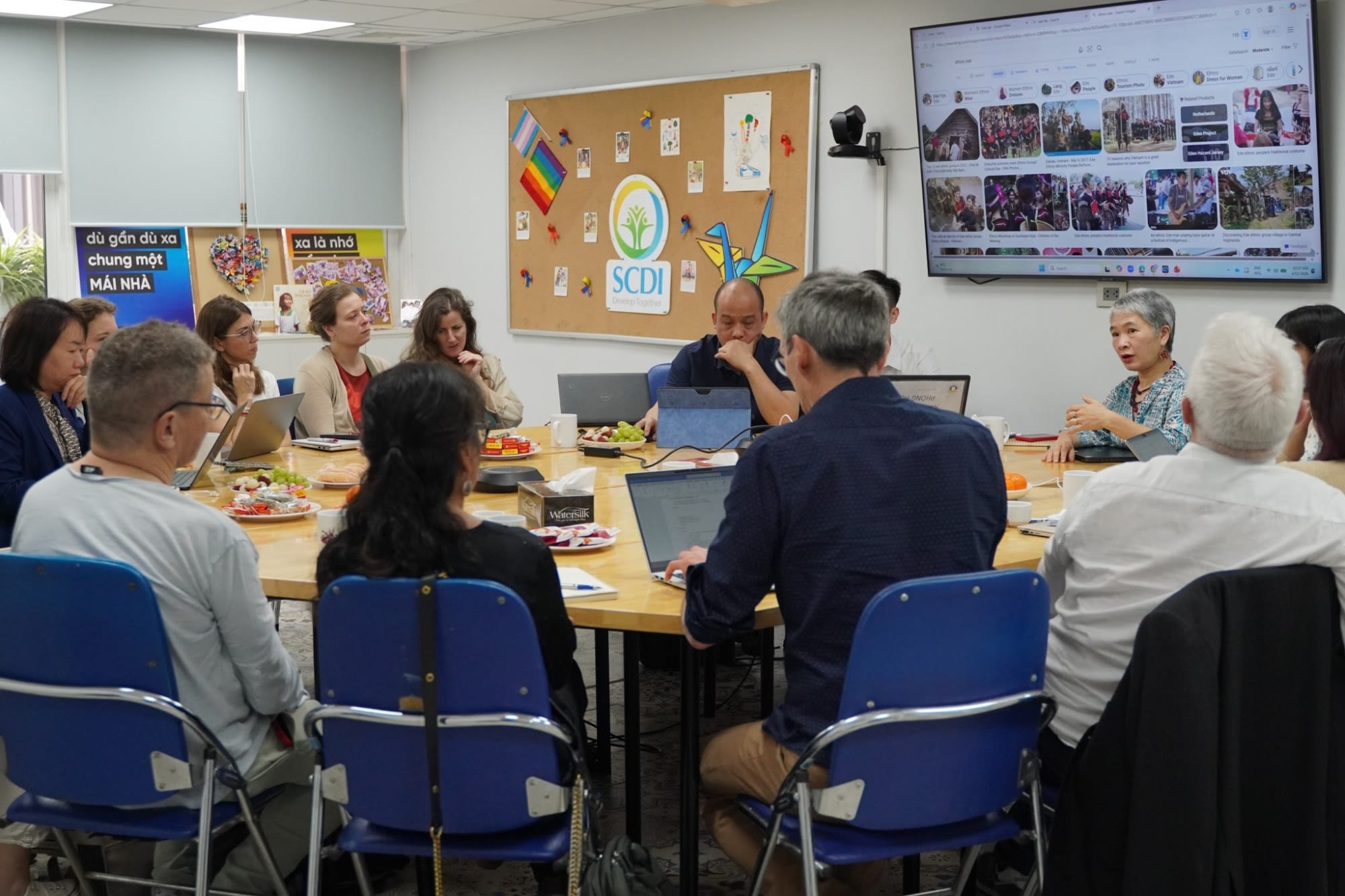
She now serves as Executive Director of SCDI, whose mission is to contribute to an inclusive society by improving the lives of marginalised populations. In line with the Sustainable Development Goals, the organisation focuses on community empowerment and creating enabling conditions for the most vulnerable.
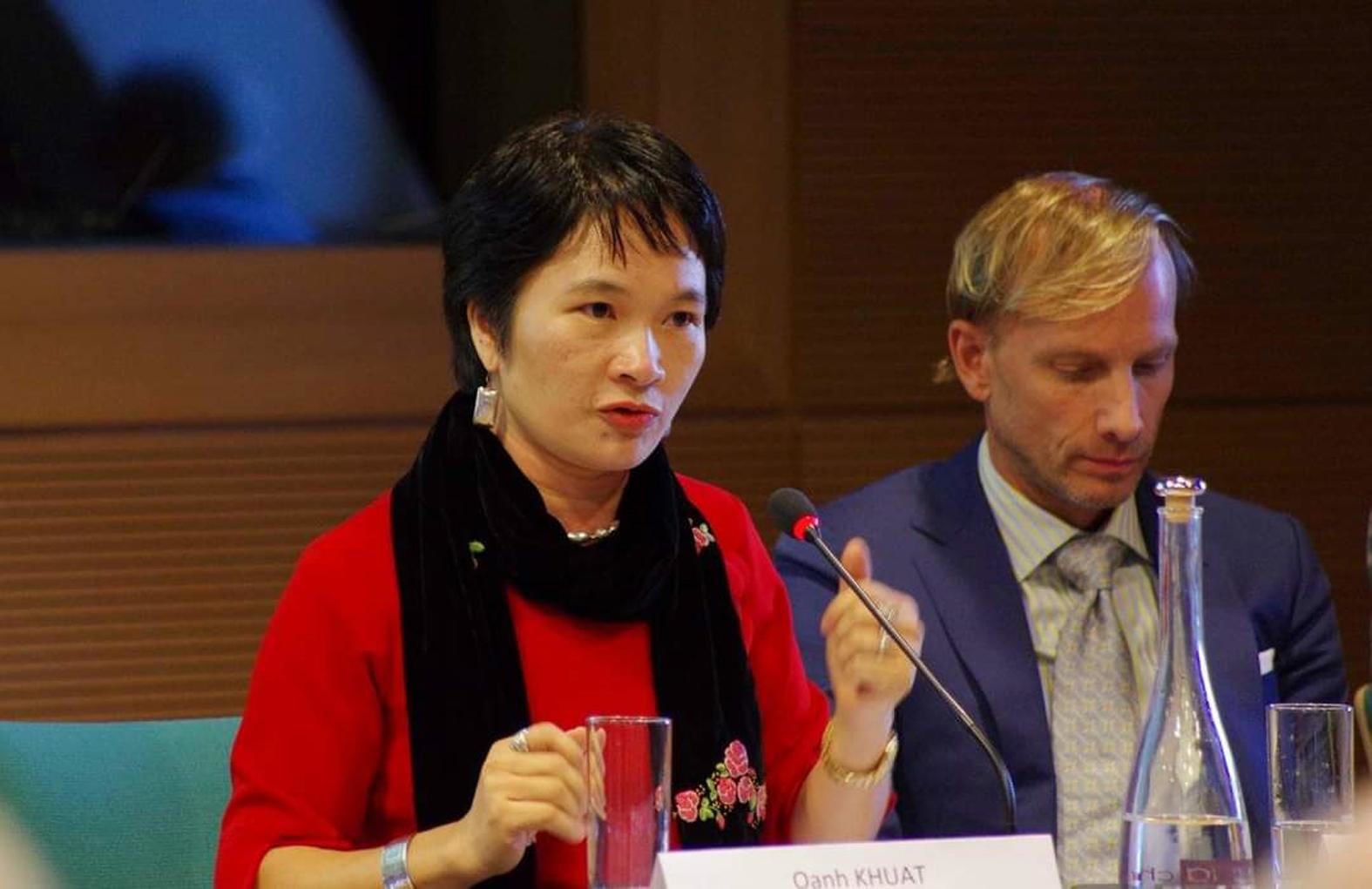
Her work extends well beyond Việt Nam. She has helped bring the voices of Vietnamese community-based organisations to regional and international forums, contributing to strategic discussions on HIV, tuberculosis and broader issues of health financing and universal access to care.
Beyond advocating for support policies domestically, she has also taken part in global efforts, calling for sustained contributions to the Global Fund at a time when several aid programmes have been scaled back.
Following a recent international advocacy campaign, the Global Fund secured pledges of US$12.6 billion for the 2027–2029 period, exceeding expectations despite being lower than previous cycles.
The funding will support efforts to combat HIV, tuberculosis and malaria, diseases that once inspired fear but are now increasingly manageable, she noted.
As a result, Việt Nam has undergone a remarkable transformation in HIV treatment, moving from a time when medication was nearly unavailable to a point where people living with HIV can live healthy lives and safely have children. Hundreds of thousands are now receiving continuous treatment.
Oanh stressed that in a world facing growing uncertainty, from pandemics and unequal access to healthcare to declining funding for community and social organisations, it is more important than ever to recognise that health is not merely a technical issue, but one of equity and justice.
“In the end, a society is not judged by how it treats the most powerful, but by how it treats the most vulnerable,” she said.
“This belief has guided my work and continues to inspire community leaders, social workers, researchers and health professionals striving every day to ensure that no one is left behind.”
Speaking at the ceremony, Ambassador Olivier Brochet noted that the National Order of Merit is typically awarded to French citizens, but is also conferred on a select number of foreign individuals in recognition of their contributions and commitment.
He said to Oanh: “Your career has led France to wish to bestow upon you this distinguished honour.
As a highly trained doctor, you have, over decades, dedicated your expertise and energy to the fight against HIV/AIDS, to defending the rights of people living with HIV, and more broadly to promoting a humane, inclusive and rights-based approach to public health.”

Persistent “mountain climb” policy advocacy

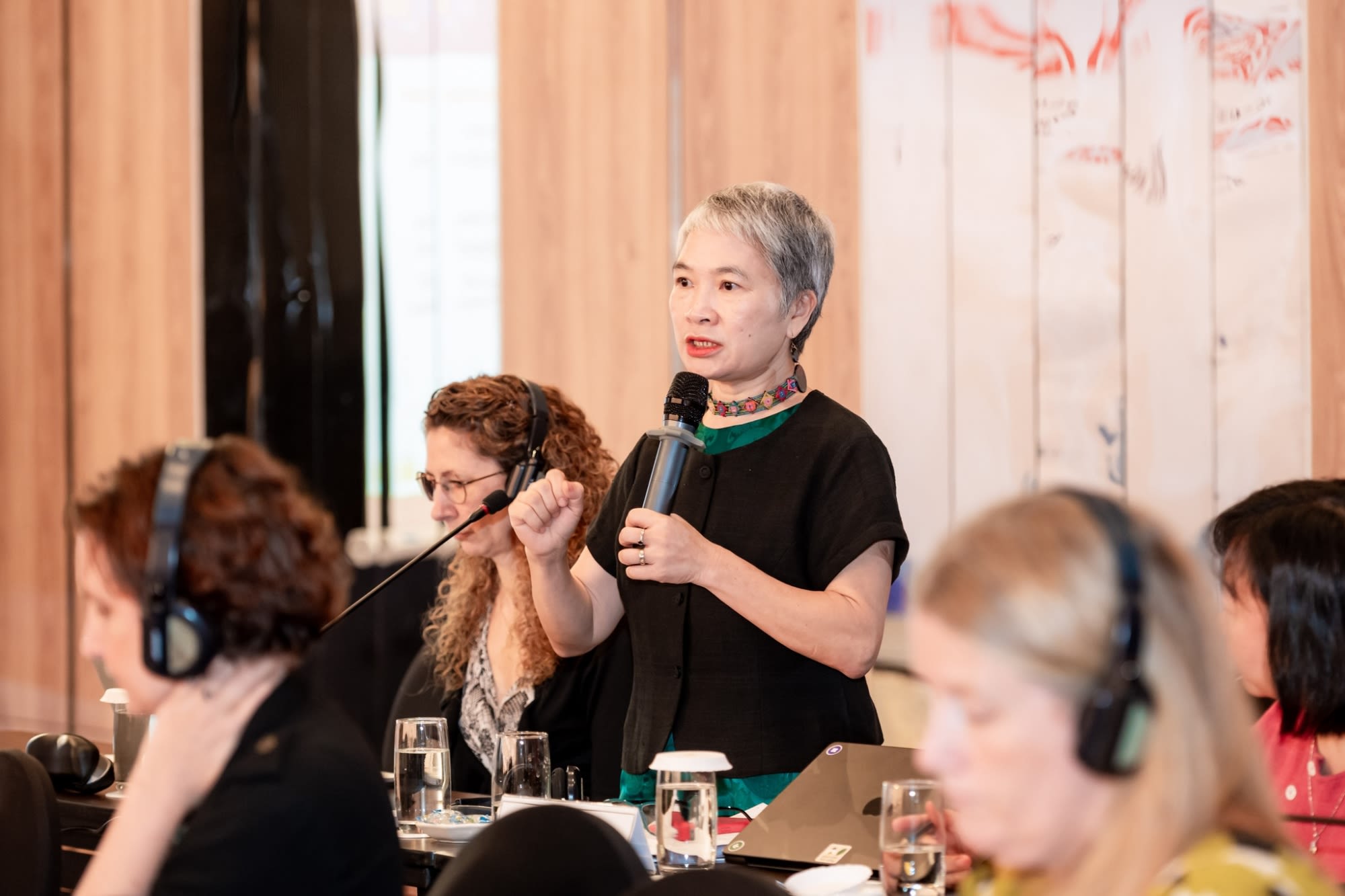
One of the most significant milestones in her career has been the sustained effort to integrate antiretroviral treatment into the national social health insurance.
In 2012, when Việt Nam became a middle-income country and international funding began to decline, the HIV community faced deep uncertainty. Without a sustainable domestic financing mechanism, tens of thousands of lives were at risk.
Together with SCDI, she began a demanding advocacy process to amend the Health Insurance Law.
Recalling the technical barriers, she said: “At first, the health insurance system was concerned about its ability to cover the costs. HIV treatment facilities were part of the preventive health system and could not sign contracts with insurers.
We had to advocate for integrating or upgrading these facilities.”
The most difficult challenge, however, lay in identity documentation. Many patients had no personal identification, while regulations required photo ID for medical services. Some policymakers considered that this is the patients’ responsibility and that they should bear the consequences.
Dr Oanh patiently demonstrated a different reality: people had many reasons for not having this essential paper, and they needed support, not punishment.
After years of advocacy, the Law on Citizens’ Personal Identification was amended to the Law on Personal Identification, opening doors for ID-less people - including those living with HIV - to be formally recognised, thus being able to enrol in social health insurance and benefit from this important policy.
It was a victory of persistence and empathy.

Guiding stars and connections across borders

In her life, several figures have served as steady anchors.
The first was her father, Lieutenant General, Hero of the People’s Armed Forces Khuất Duy Tiến. When she chose to leave the military medical system to work with international organisations, he was surprised but did not question her decision. He simply said that anything beneficial to the people and the country was worth doing.
“My father lived simply and humbly, always thinking of his comrades. Material things meant little to him,” Oanh said.
At a time when she began working closely with people living with HIV, he was among the first to change his perceptions. He read the materials she brought home, quietly observed and eventually welcomed a person living with HIV into the household, treating them with care and respect.
Her husband, Dr Dominique Ricard, has also been a profound influence. She calls him her 'North Star'.
They met when he was working in Việt Nam for the WHO. He stood beside her from the early days, when harm reduction was still a new and controversial concept, and helped bring to life the values of liberty, equality and fraternity.
Another key figure is Dr Didier Laureillard from ANRS, whom she also regards as a guiding presence in her professional life.

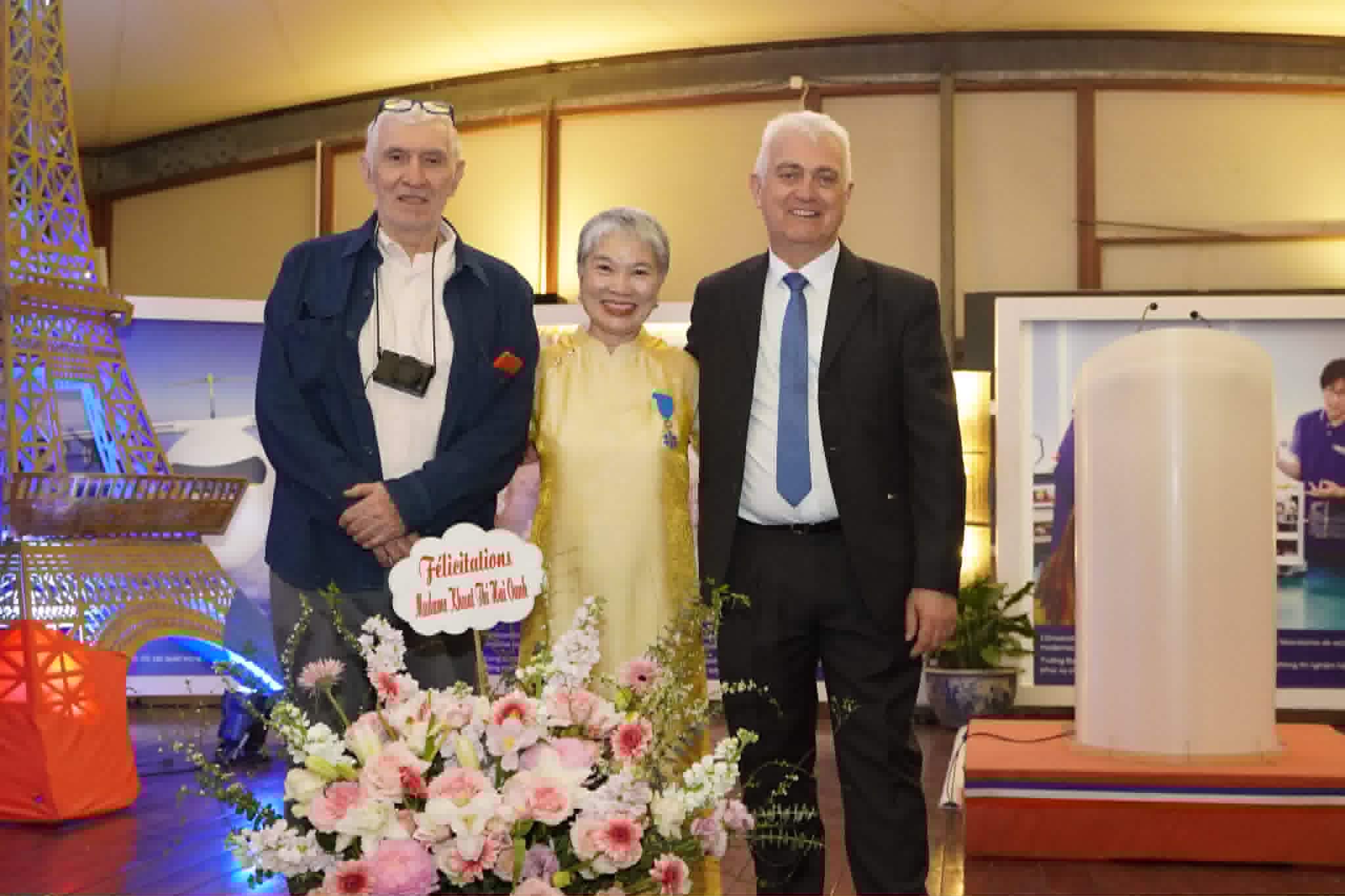
Dr Oanh with her two North Stars.
Dr Oanh with her two North Stars.
Through these connections, she has built a bridge of science and humanity between France and Việt Nam, enabling vulnerable communities to access advanced research and support from organisations such as Expertise France and AFD.
History’s quiet transformation is reflected within her own family, from the prison where her father was once held to her son’s admission to the École Normale Supérieure in Paris, a reminder that history moves forward, and that it can heal.


Humility at the heart of community

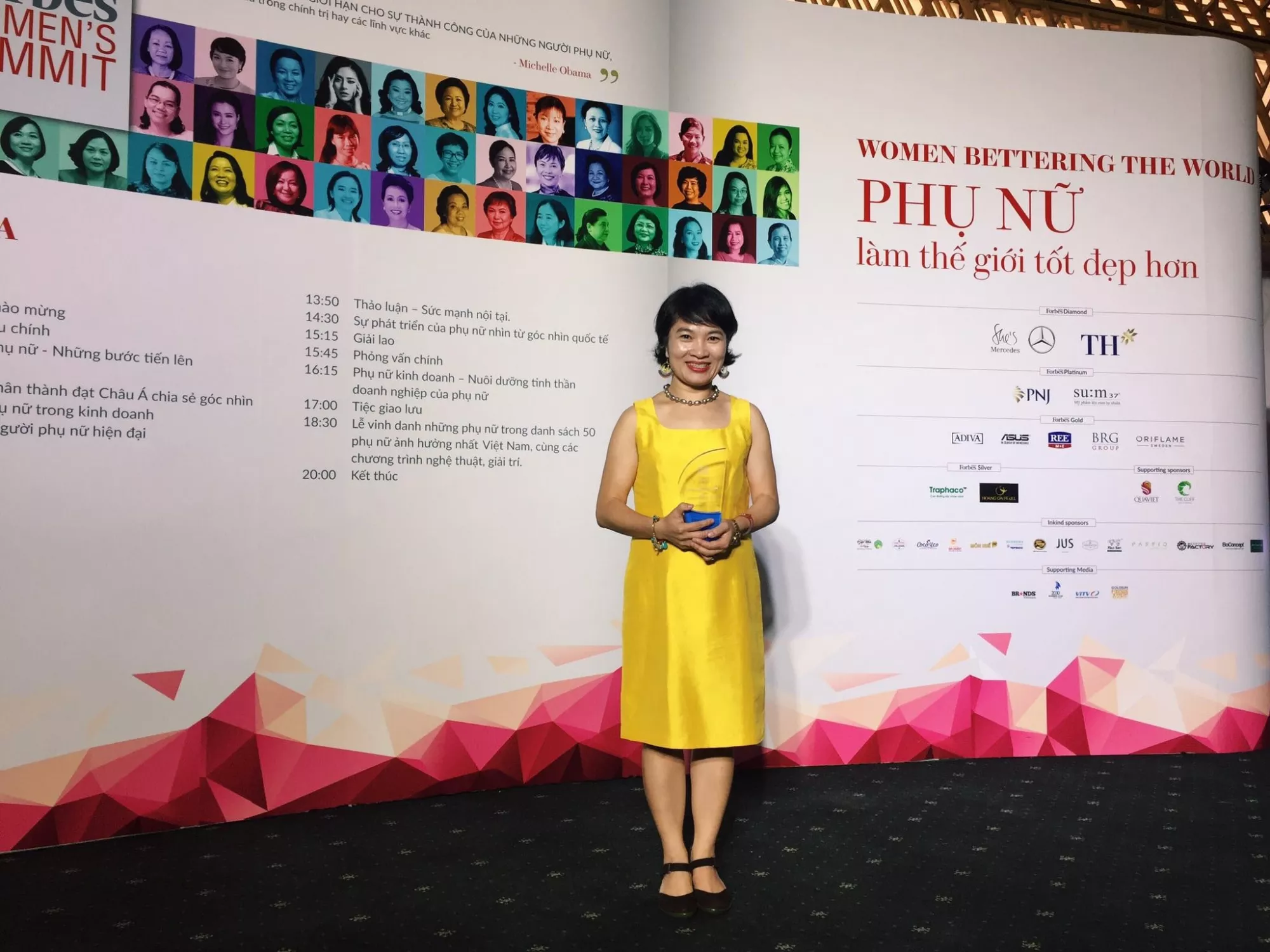
Despite being honoured as a Knight and named among Forbes Việt Nam’s 50 most influential women, she rarely speaks of achievements in the singular.
For her, they belong to those who have walked alongside her.
The true heroes, she says, are the SCDI staff and members of community-based organisations in provinces and cities across Việt Nam.
“In this work, no achievement belongs to any one individual,” she said.
Now in her fifties, she shows no sign of slowing down. She remains concerned about patients dropping out of treatment, adolescents transitioning from paediatric to adult care, and those still hesitant to use health insurance for fear of stigma.
“If I am able to do something useful and choose not to, I would feel I have failed in my duty,” she said.
For Dr Oanh, public health is not simply about treating disease. It is about building a safety net of care, ensuring that no one, no matter how vulnerable, is left behind. VNS

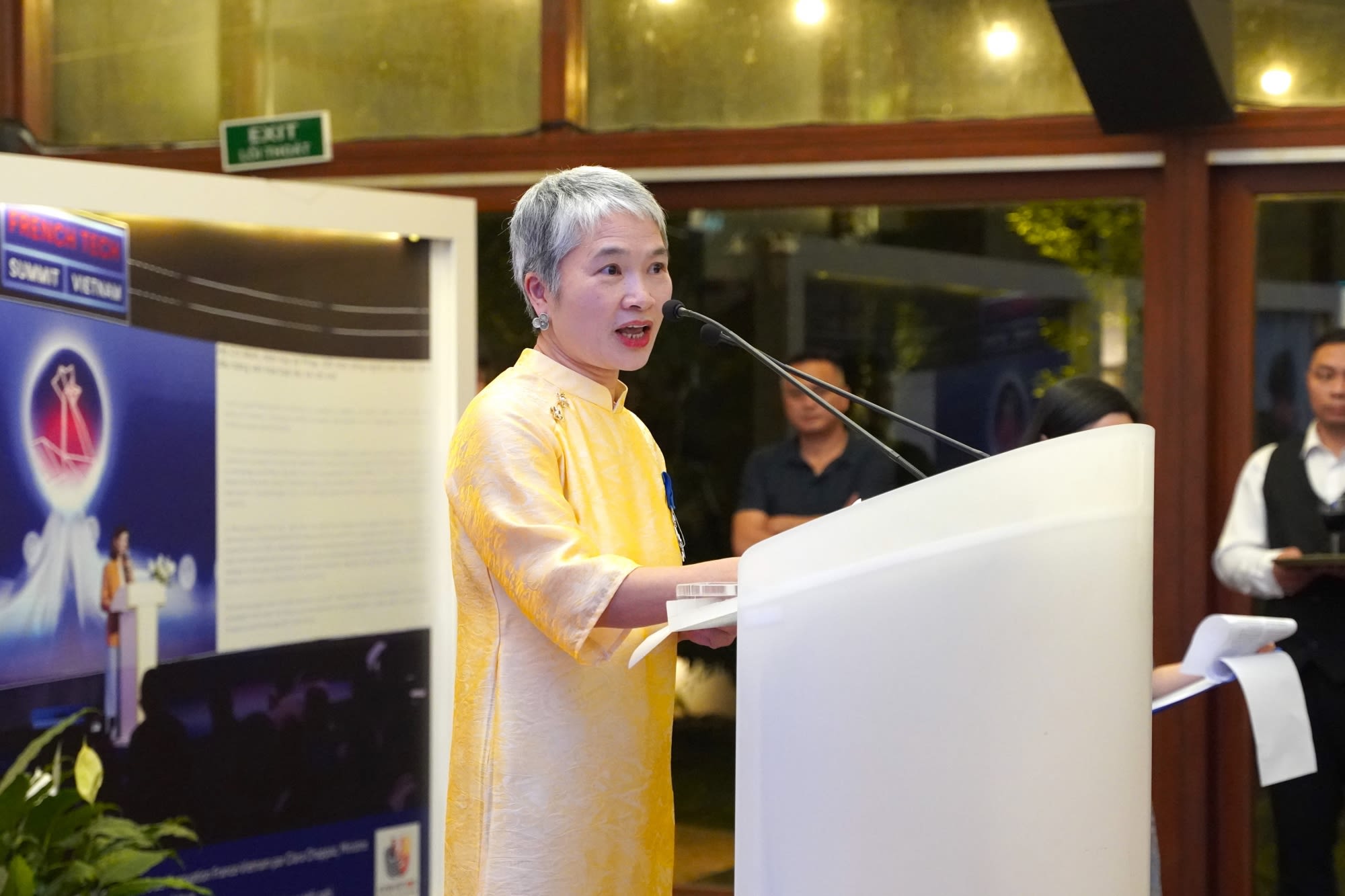
Khuất Thị Hải Oanh is a medical doctor who graduated from Hà Nội Medical University and holds a Master’s degree in Sexual and Reproductive Health Research from the London School of Hygiene and Tropical Medicine.
She is currently Executive Director of the Centre for Supporting Community Development Initiatives (SCDI).
She also serves as Chair of the Council of Representatives of APCASO and Chair of the Global Fund Advocate Network for Asia and the Pacific, and is a member of the Advisory Group on Community, Rights and Gender to the Global Fund on AIDS, Tuberculosis and Malaria.
In 2009, the World Economic Forum named her a Young Global Leader. In 2014, she received the Dedonder Clayton Award from the Institut Pasteur and Nobel Laureate Françoise Barré-Sinoussi. In 2017, she was listed among Forbes Việt Nam’s 50 Most Influential Women.



 Built with Shorthand